
S15 Sukhumvit Hotel
Make a Booking
S15 Sukhumvit Hotel

Delve Into The Reign Of King Rama V At Thawornwatthu Building
S15 Sukhumvit Hotel

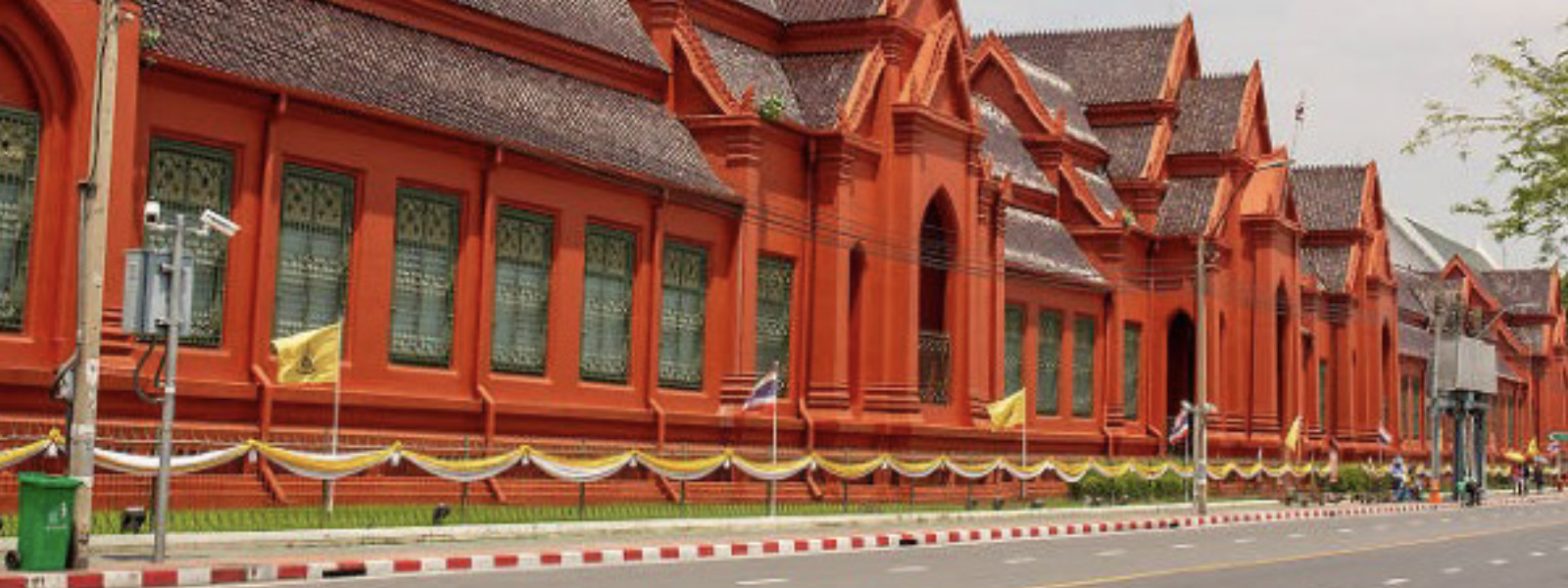
The Thawornwatthu Building, locally known as Tuek Daeng, is a historic, red-hued landmark located on Na Phrathat Road in Bangkok’s Phra Nakhon district. Built during the reign of King Chulalongkorn (Rama V) in the early 20th century, it originally served as the royal crematorium for Crown Prince Maha Vajirunhis. Over time, it evolved into a royal library and is now a museum dedicated to King Rama V’s life and legacy. In this guide, you’ll learn what the Thawornwatthu Building is, why it’s an ideal lens into King Rama V’s reign, what the exhibitions cover, how its architecture reflects the era, and how to plan your visit.

What is the Thawornwatthu Building?

The Thawornwatthu Building is a heritage museum devoted to King Rama V, housed in a historically significant structure originally constructed in 1905 (B.E. 2448) as the royal crematorium for Crown Prince Maha Vajirunhis. It later served as a royal library before being curated as a museum showcasing reforms, foreign policy, and modernization under King Rama V – one of Thailand’s most transformative monarchs.

Quick Facts

Attribute Details
Official Name Thawornwatthu Building (Tuek Daeng)
Location Na Phrathat Road, Phra Nakhon, Bangkok (near Sanam Luang and the Grand Palace)
Era Reign of King Rama V (Chulalongkorn)
Current Use Museum and memorial library dedicated to King Rama V
Admission Free
Opening Hours Wednesday–Sunday, 9:30 AM–4:00 PM
Best For Thai history enthusiasts, architecture lovers, cultural travelers

Why This Is the Perfect Lens Into King Rama V’s Reign

The building’s curated exhibits foreground the policies and projects that defined the reign of King Rama V such as abolition of slavery, administrative centralization, foreign diplomacy, and national infrastructure. In effect, the museum distills a complex era into accessible sections, letting visitors “delve into” primary sources and interpretive displays that show how Siam modernized while maintaining sovereignty.

Historical Context and Significance

The Thawornwatthu Building encapsulates a pivotal era in Siam (Thailand), when King Rama V undertook sweeping reforms to modernize the kingdom, centralize administration, and maintain sovereignty amid colonial pressures. The building’s earliest role, as the crematorium for Crown Prince Maha Vajirunhis, links it directly to the royal family’s personal history. It was later repurposed as a royal library and subsequently curated as a museum to preserve and interpret the monarch’s far-reaching legacy.

While some museum materials reference records highlighted by UNESCO’s Memory of the World Programme, the broader importance lies in how these archives and exhibits document reforms such as the gradual abolition of slavery (culminating in the Act on the Abolition of Slavery, B.E. 2448 [1905]), infrastructure development, education, and diplomacy.

Architecture: Thai Tradition with Gothic and Khmer Accents

The Thawornwatthu Building is striking for its deep red exterior, hence the nickname Tuek Daeng (“Red Building”) and its fusion of styles:

  • Thai: Multi-tiered roofs and traditional decorative motifs, pediments, and finials reflect courtly Thai aesthetics.
  • Khmer: Elements reminiscent of Khmer prang and relief detailing can be seen in selected ornamental features and massing.
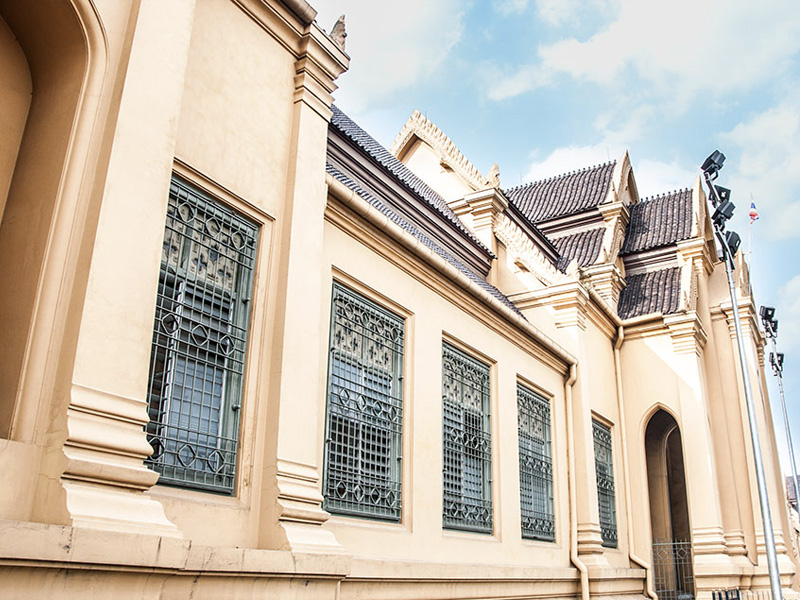
  • Gothic: Pointed arches, vertical emphasis, and tracery-like detailing echo Gothic sensibilities, likely influenced by the 19th–early 20th century exchange with Europe during modernization.

Together, these elements mirror the cultural dialogue of King Rama V’s reign: forward-leaning modernization rooted in Thai identity.

Inside the Museum: The Seven Themed Sections

The museum is organized into seven sections that combine artifacts, documents, multimedia, and models to offer a 360-degree view of Rama V’s reign. Highlights include:

  1. Biography and Speeches of King Rama V
    • What you’ll learn: Key milestones in the king’s life, his travels (including state visits abroad), and selected royal speeches.
    • Why it matters: His public addresses illuminate the rationale behind reforms and his philosophy of governance.
  2. Abolition of Slavery and Social Equality
    • What you’ll learn: The stepwise path from debt-bondage reforms to full abolition in 1905 (B.E. 2448), including the legal and administrative measures used to avoid social upheaval.
    • Why it matters: Thailand’s peaceful, staged abolition is a cornerstone of the country’s social history and human rights progress.
  3. Foreign Policy and Sovereignty
    • What you’ll learn: Diplomatic strategies used to balance relations with European powers and regional neighbors, administrative centralization, legal modernization, and military restructuring.
    • Why it matters: These policies helped Siam retain independence during an era of intense colonial expansion.
  4. Utilities and Public Works
    • What you’ll learn: Expansion of railways and roads, the establishment of postal and telegraph services, public health and hospital development, and the rise of modern education and civil service.
    • Why it matters: These utilities transformed daily life and laid foundations for the modern Thai state.
  5. 3D Architectural Models from the Era
    • What you’ll learn: A visual survey of key structures built or initiated during Rama V’s reign, along with urban planning concepts that shaped Bangkok’s growth.
    • Why it matters: The models make it easy to grasp how architecture and city-making expressed modernization ideals.
  6. UNESCO-Recognized Historical Records (Memory of the World Context)
    • What you’ll learn: Selections of royal documents and archival materials from the period, contextualized within Thailand’s contributions to UNESCO’s Memory of the World Programme.
    • Why it matters: Documentary heritage from this era offers rare, primary-source perspectives on policy, culture, and diplomacy.
  7. Royal Photography and Personal Imagery
    • What you’ll learn: Personal photographs and visual narratives that humanize the monarch and the royal family.
    • Why it matters: Images provide cultural texture—fashion, ceremony, travel, technology—often lost in textual records.

Why the Thawornwatthu Building Matters in Thai History

The Thawornwatthu Building demonstrates how a single site can embody public memory and state modernization. It preserves the story of a monarch who helped lead Siam into the modern age by abolishing slavery, reforming governance, and spearheading infrastructure all while resisting colonial domination. Conversely, the building also reminds us that modernization can be complex: reforms incur costs, demand institutional change, and require public buy-in to endure.

Benefits of Visiting (and What You’ll Gain)

Visiting the Thawornwatthu Building offers several benefits:

  • Evidence-Based Learning: Primary sources, curated exhibits, and period documents deepen understanding of 19th–20th century Siam.
  • Architectural Appreciation: A live case study in style-blending that reflects historic cultural exchange.
  • Free Access: Complimentary entry makes it a high-value stop for culture-focused itineraries.
  • Context for Nearby Sites: Exhibits help frame visits to the Grand Palace, National Museum Bangkok, and Sanam Luang.

Visitor Information and Planning Tips

Attribute Details
Opening Hours Wednesday to Sunday, 9:30 AM–4:00 PM (closed Monday–Tuesday)
Admission Free of charge
Safety Measures Sanitation protocols may include temperature checks and mask guidance; policies can change—check current notices before you go
Dress Code Smart-casual, respectful attire is recommended in royal and cultural precincts
Photography Non-flash photography is generally acceptable in public areas; exhibit-specific restrictions may apply
Recommended Duration 60–90 minutes for a thorough visit

Getting There

  • By Car/Taxi: Approximately 20-30 minutes from Asok (Sukhumvit) traffic permitting; set destination to Na Phrathat Road, near Sanam Luang.
  • By Public Transport: BTS to Saphan Taksin + river boat to Tha Chang or Tha Phra Chan piers; short walk or tuk-tuk from the pier.
  • Nearby Landmarks: Grand Palace, Wat Phra Kaew, National Museum Bangkok, Sanam Luang.

Guided Tours and Accessibility

  • Guided Tours: Docent-led or group tours may be offered periodically; contact in advance to confirm availability on your preferred date.
  • Accessibility: The historic structure may have limited ramps/elevators; inquire ahead if you require mobility assistance.

Suggested Itinerary Pairing from S15 Sukhumvit Boutique Hotel (Asoke)

  • Morning: River boat to the Old City; visit the Grand Palace and Wat Phra Kaew.
  • Midday: Lunch near Tha Chang.
  • Afternoon: Thawornwatthu Building (60–90 minutes), then National Museum Bangkok.
  • Evening: Return to S15 for spa downtime and room-service dining before exploring Sukhumvit nightlife.

Practical Tips for a Better Visit

  • Arrive early to enjoy quieter galleries.
  • Combine with the National Museum Bangkok for a deeper dive into the era.
  • Bring light layers; galleries can be cool compared with outdoor heat.
  • Check service alerts on public holidays and royal event days, when hours may vary.

Nearby Attractions to Round Out Your Day

  • Grand Palace and Wat Phra Kaew (Temple of the Emerald Buddha)
  • National Museum Bangkok
  • Wat Pho (Reclining Buddha)
  • Rattanakosin Exhibition Hall
  • Sanam Luang (public square and ceremonial ground)

Conclusion and Next Steps

The Thawornwatthu Building (Tuek Daeng) brings the reign of King Rama V to life through seven well-curated sections that connect personal biography, landmark reforms, diplomacy, and modernization. Its distinctive red architecture blends Thai, Khmer, and Gothic sensibilities, and free admission makes it an accessible, high-value stop near the Grand Palace. To plan your visit, verify current hours and any safety protocols, consider requesting a guided tour, and pair the museum with the National Museum Bangkok for a fuller understanding of the era. If you’re staying in Asoke, S15 Sukhumvit Boutique Hotel offers a convenient base, with spa services and in-room dining, perfect to explore Bangkok’s historic core at an unhurried pace.

Scroll to top

By continuing to use this website you agree to the use of cookies according to our Privacy Policy.

Cookie Consent Preferences

Cookies are little bits of textual information which are used by the website to enhance user experience. Accept all cookies or choose which categories you want to allow.

Accept All
Manage Consent Preferences
  • Mandatory Cookies
    Always Active

    These are necessary for the basic functioning of the website and for its correct performance.

  • Analytics Cookies

    These enable use of the website to be measured, in order to ensure its proper performance and to improve its functioning.
    Cookies Details

  • Advertising and Social Media Cookies

    These are used to display and measure ads which are relevant to our users, as well as enabling interaction with social media. Data may be shared with companies outside of S15 Sukhumvit Hotel.
    Cookies Details

Save My Preferences